
DESIGN NOTES
Kitchen storage is a critical part of the design phase, whether it is for a large or small layout, because it not only allows you to have the essentials within reach in an orderly way. A kitchen pantry is one of the storage elements that comes with multiple benefits for homeowners, as it can be used for various purposes beyond storing food. As the kitchen is one of the most frequently used areas in the home, it can quickly become cluttered and cramped, hindering it from fulfilling one of its primary purposes: being a place of welcome and warmth. This is where a second kitchen, often referred to as the butler’s pantry, comes into play. More designers and contractors are incorporating this secondary space into the kitchen to gain square footage and have an area that works as an extension of the kitchen. Let’s dive deeper into what a butler pantry is and what the benefits are for you.
What is a butler pantry?
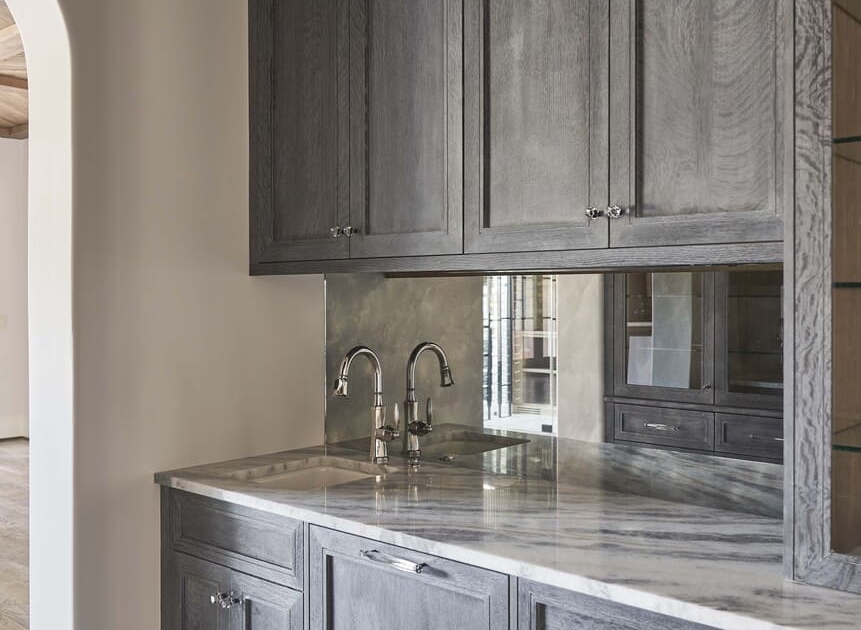
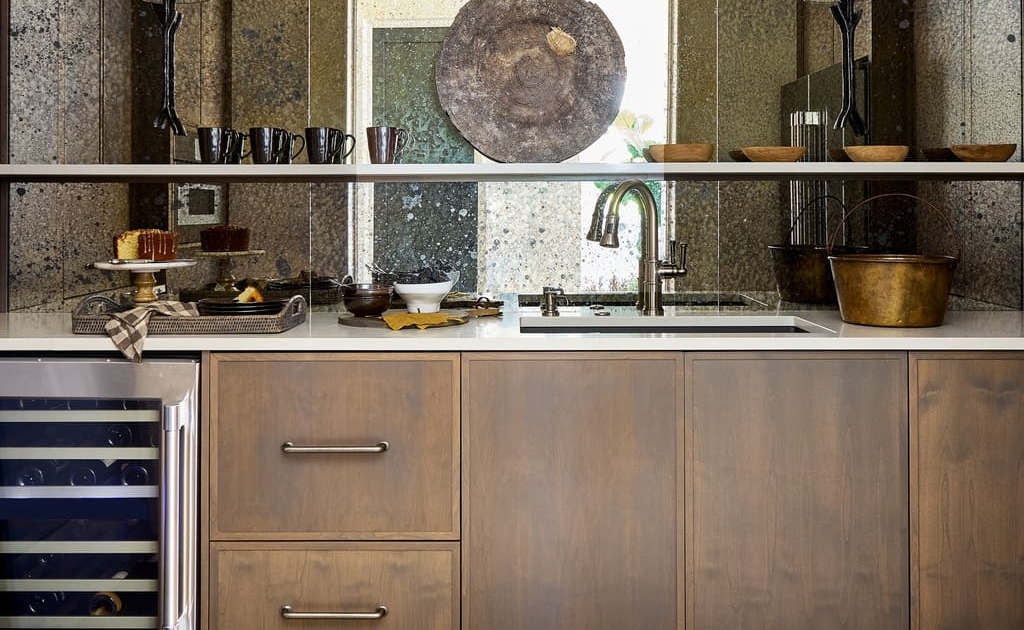
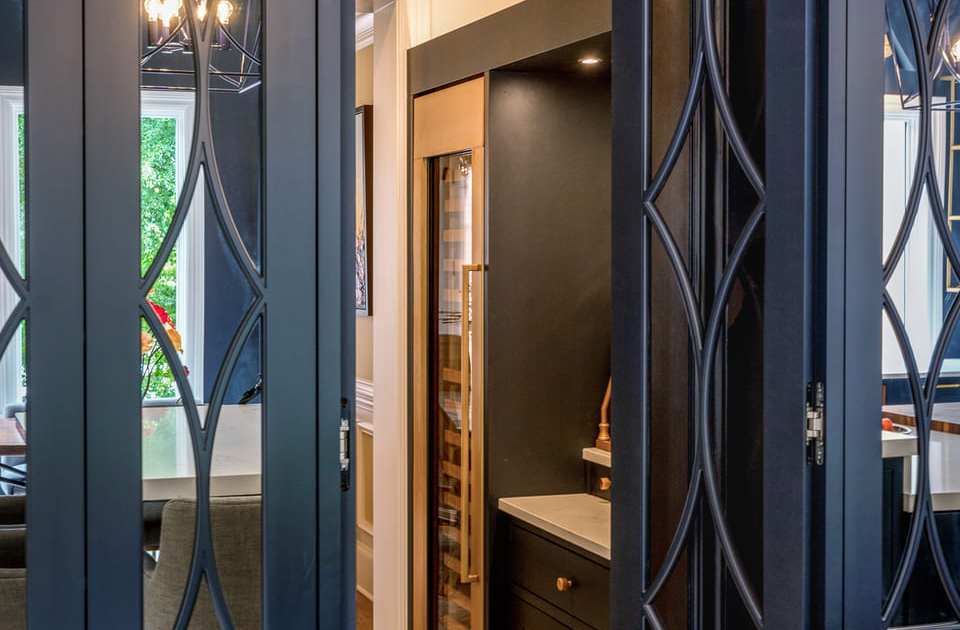
Also known as a scullery kitchen, a back kitchen, or a dirty kitchen, the butler pantry serves as a secondary kitchen or a transitional space between the kitchen and dining areas. Though it has the primary purpose of storing and serving the overflow needs of the kitchen, it also fulfills a variety of tasks, which means there is less mess in the main kitchen. It is also considered a pantry on steroids due to its ability to do more than just store groceries, including food preparation and basic cooking functions. It has evolved over the years to take on a whole new role, doing the heavy-duty kitchen work while leaving your main kitchen as the central hub for the family to gather and mingle. Think of the butler pantry as your own personalized “Downton Abbey” area minus Mrs. Patmore and Daisy, of course. This space provides you with the freedom to have a few extras that might not have fit into your main kitchen area, but are within easy reach and connection.


 Walker Woodworking