
Design Notes
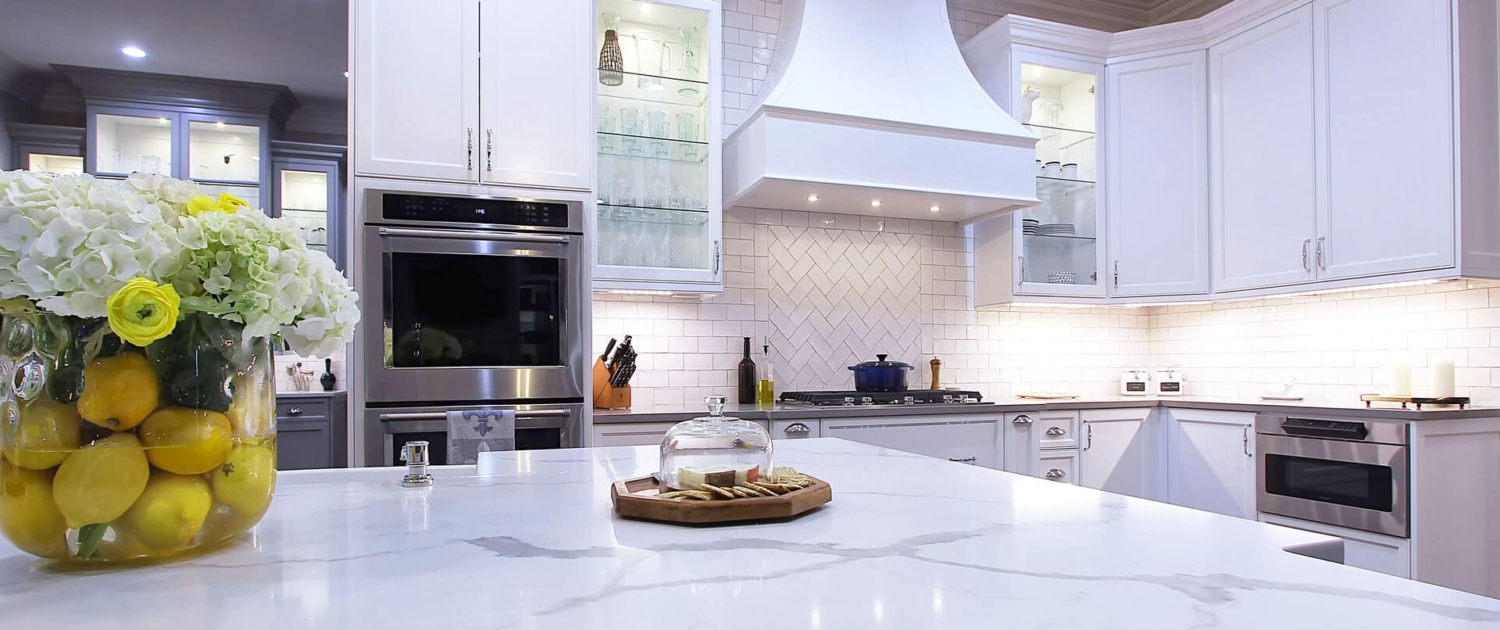
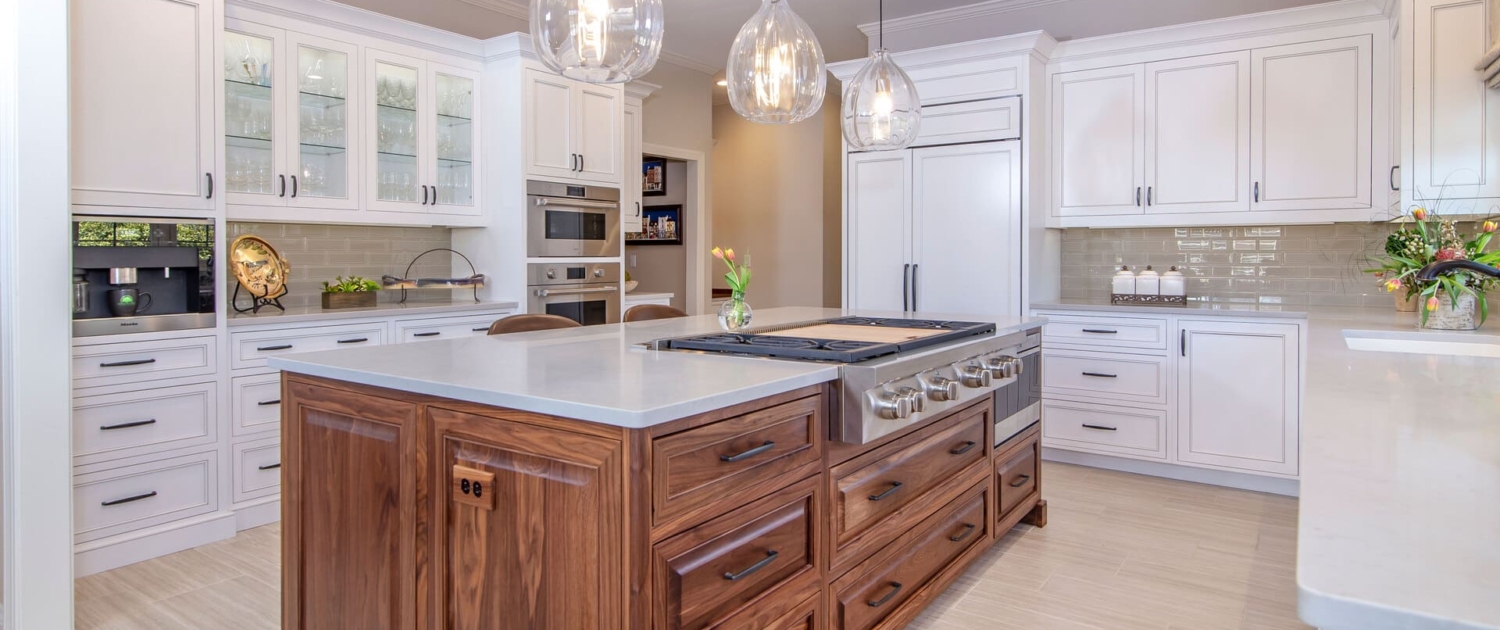
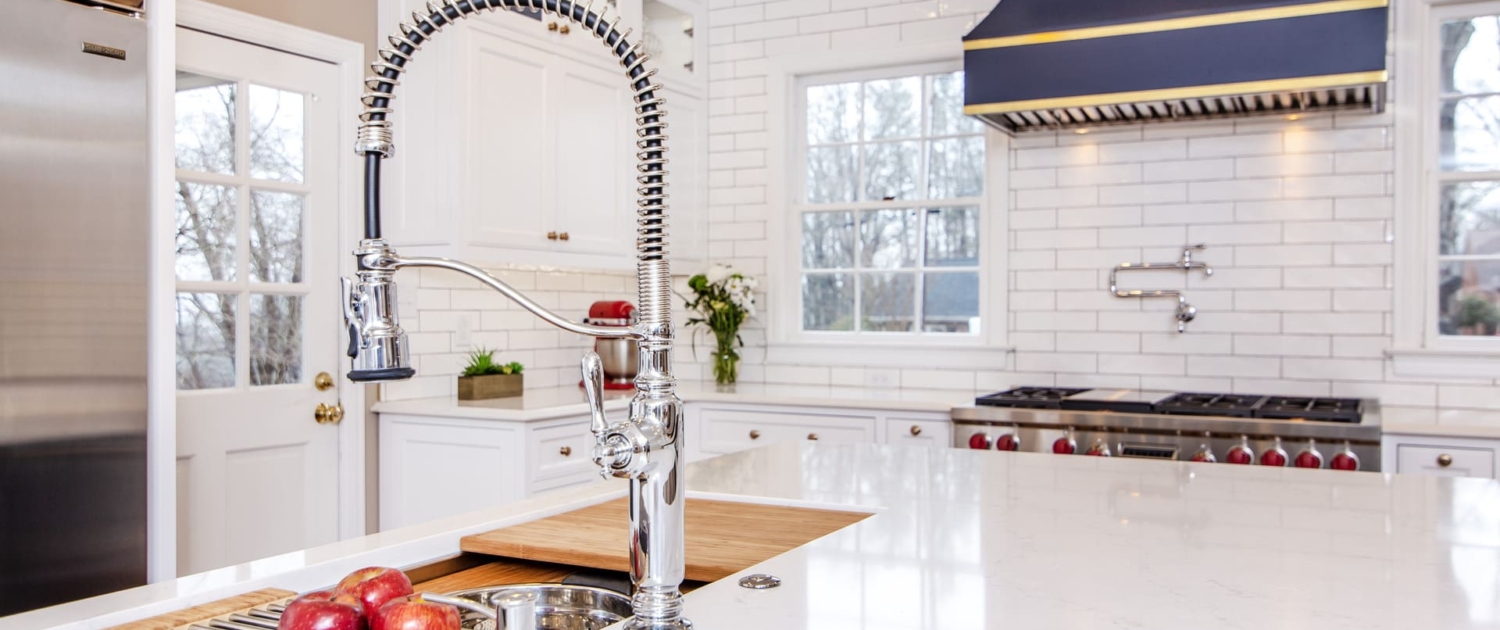
Kitchen islands are often the focal point in a kitchen and dictate the main flow of traffic. Additionally, they have evolved into more than just a place where dinner is prepared, with some describing it as the main hub of activity in the home. Typically described as a freestanding cabinet and seen as a large countertop with maybe a place to occasionally eat dinner, the kitchen island provides much more. Some designers claim that it can be utilized for a variety of tasks, such as storage, a buffet, and even household extras like a dishwasher, stovetop, and sink. The versatility of the island means it brings value to the home, with some designers incorporating more than one into the kitchen. Let’s discuss the other benefits of a kitchen island and the many functions it can handle.
Extension of the kitchen
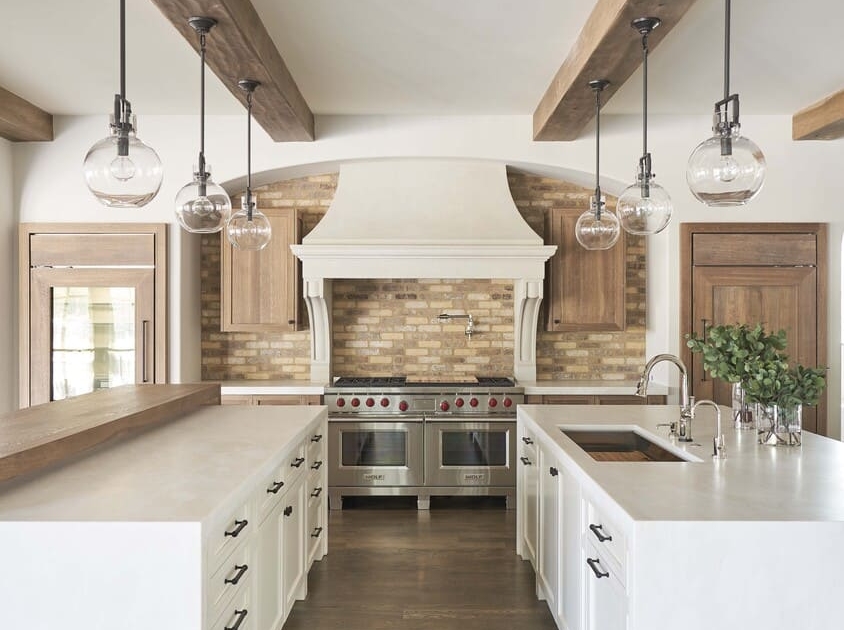
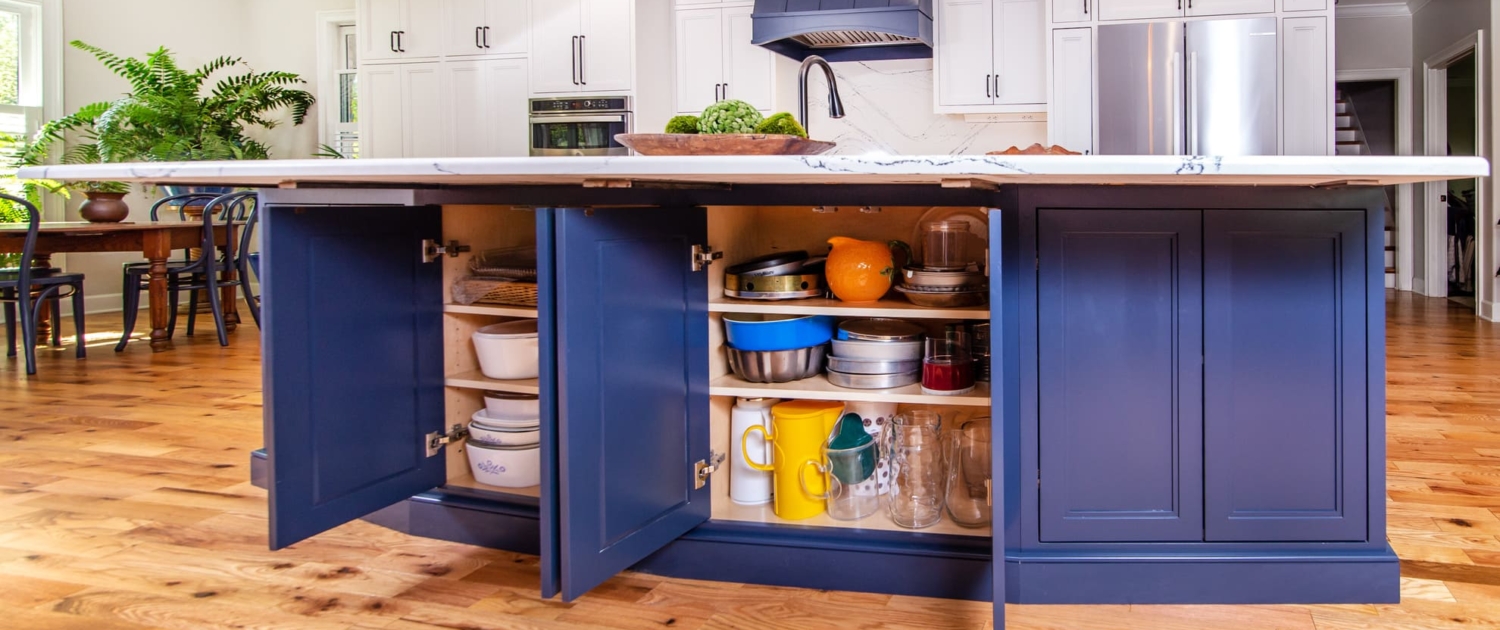
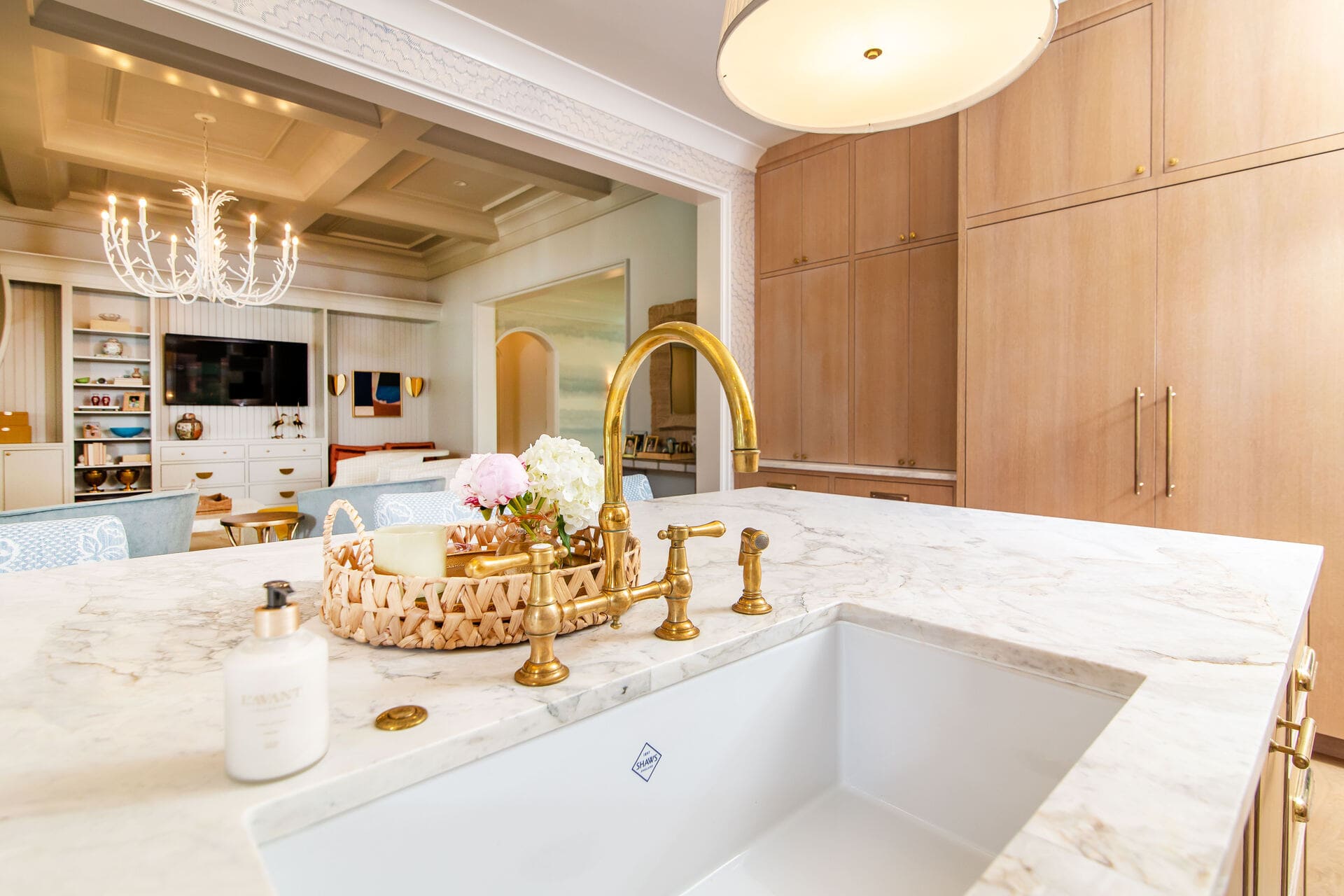
Of course, this is seen as one of the most obvious functions of the kitchen island; it truly is an extension and can be unified with the design or used as a contrasting piece through different color choices. Designed to work in harmony with your kitchen space, it also creates a clear pathway through it, making it easy for multiple people to be present at once. Remember that the kitchen tends to be the central hub of the home, so having that extra space is important. This is also an excellent perk for morning routines involving kids who need to eat breakfast and parents who want to make a cup of coffee or prepare to-go lunches simultaneously. They also give you more counter space to set certain appliances, such as the coffee maker or mixer, as needed, and then neatly store them beneath. Having a kitchen island means you gain extra square footage in your design that can be utilized for various everyday tasks.

 Walker Woodworking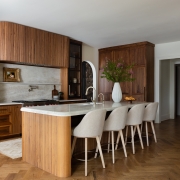

 Walker Woodworking
 Walker Woodworking