Consumer Information
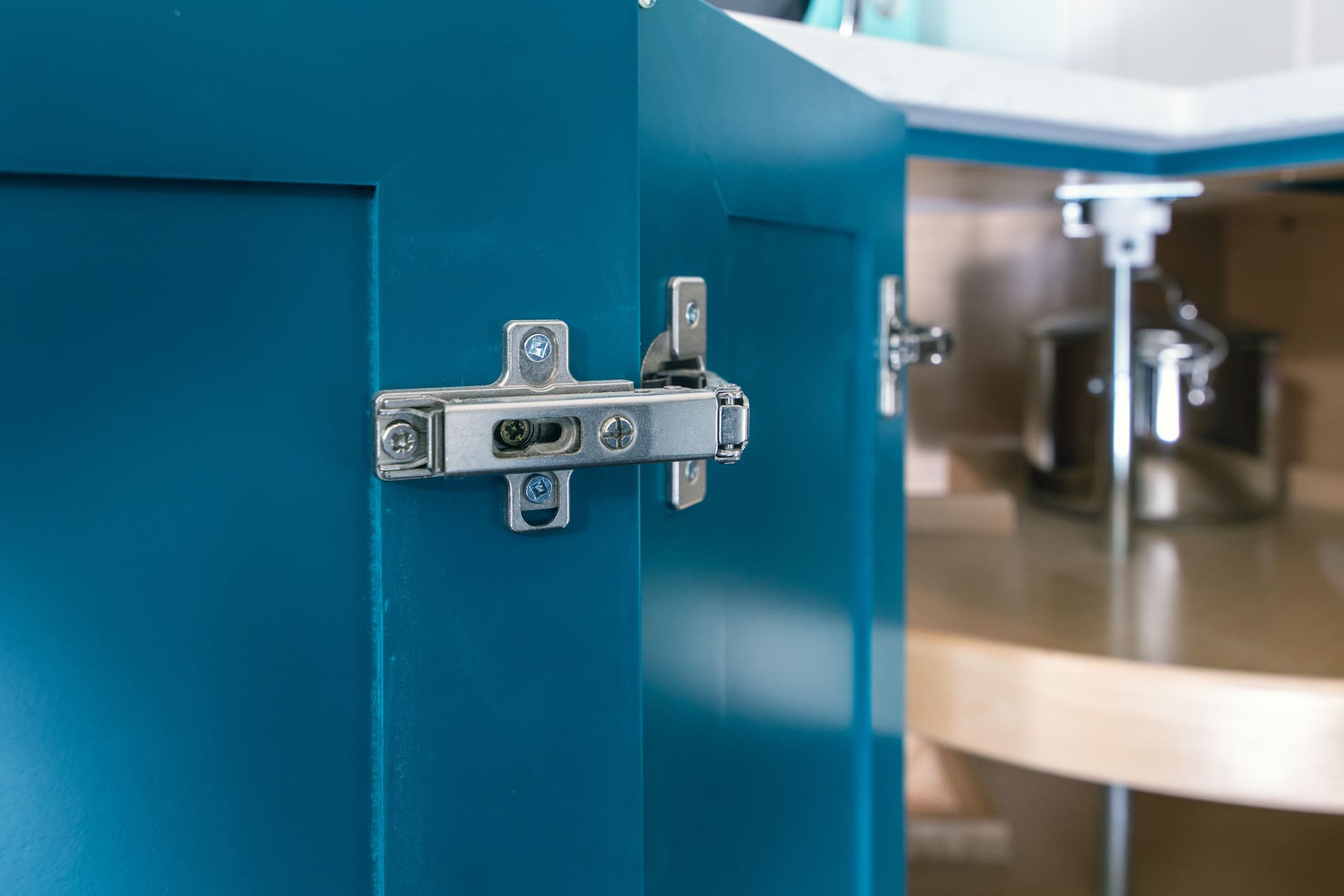
While this may seem tedious, hinges are key to the design since you can’t open or close a door without them. From cabinet door style, wood type, and color, there are numerous decisions to be made when designing a kitchen. Sometimes, the little things can get lost or overlooked, but that does not mean they are unimportant. A proper hinge will ensure a better life for your cabinet door, as it supports the door’s weight and provides continuous mobility. We will explain the available options, which hinges go best with certain door styles, and discuss key considerations during the selection process.
Cabinet Door Hinge Types
While multiple hinge varieties are available, each with a specific purpose, we will discuss only the most common types used in cabinetry.
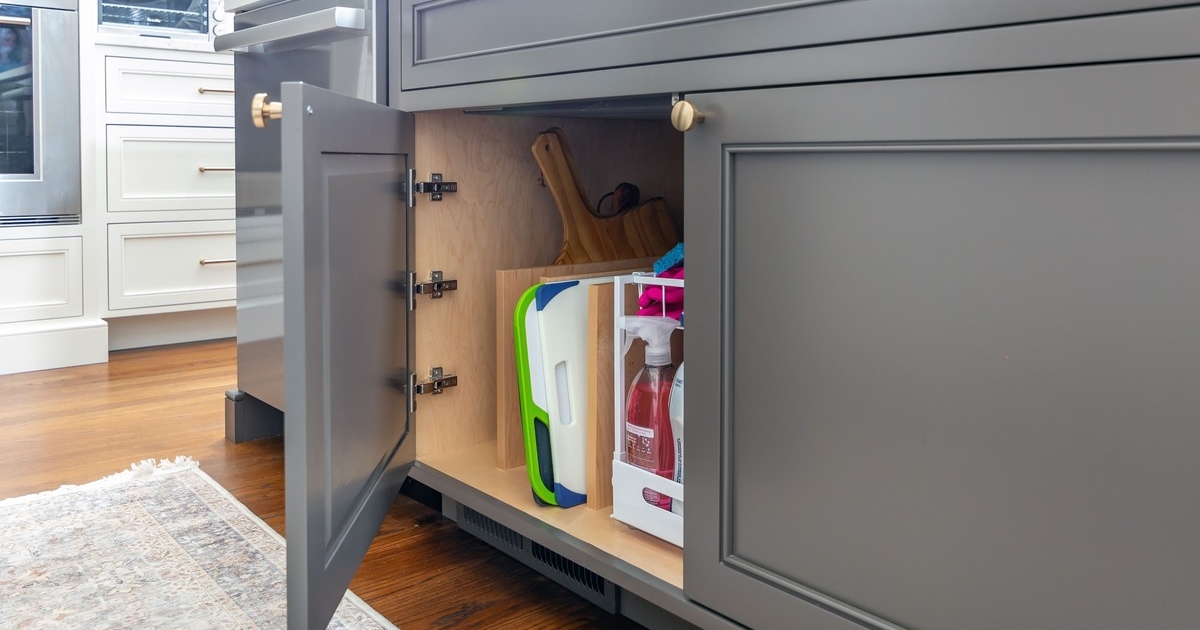
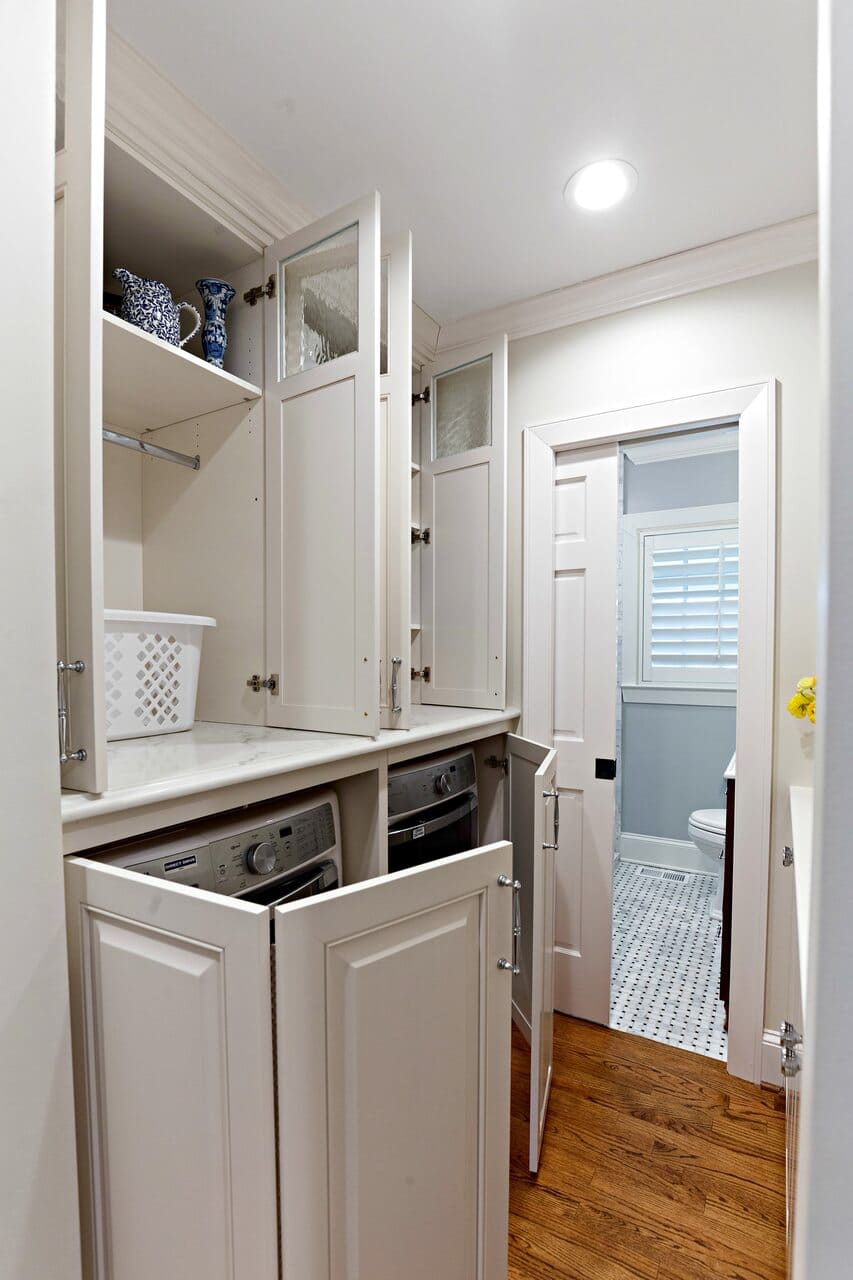
- Concealed hinges—this type is not visible from the outside of the cabinet when the door is closed, giving the overall design a clean appearance. It is also known as a European hinge.
- Semi-concealed hinges – only a portion of this hinge is visible and is mainly used with face-frame cabinets.
- Wrap-around hinges – a portion of the hinge is bent to wrap around the door.
- Non-mortise hinges are surface-mounted and thinner than a standard hinge.
- Self-closing – not to be confused with the soft-close hinge, this type has a spring inside that helps to close the cabinet door when it is two inches away. Never worry about cabinet doors being left open again.
- Soft-close – this option prevents cabinet doors from slamming shut by gently closing themselves when two inches away.

 Walker Woodworking