Blank walls often waste valuable square footage. Many homes lack storage, even with large rooms. The issue is poor wall planning. Empty vertical areas hold untapped potential. Homeowners can transform unused wall space into functional storage with custom-built-ins. In many places, open floor plans are common.
Design Notes
From basic hygiene needs to taking that final look in the mirror before heading out for the day, our bathrooms are an essential part of the home. It’s time to renovate if you dislike being here or are frustrated by its smallness and impracticality. At times, homeowners wonder if it is worth the trouble even to do a renovation, and the short answer is yes. Today, we will address some common questions about the beginning of a bathroom renovation and how to select the correct components to design the ideal space for you.
Will remodeling a bathroom add value?
Among all home remodeling projects, renovating your bathroom can provide the highest return on investment (ROI), thereby increasing the overall value of your home. Some of the best areas to renovate include the flooring, vanity, shower, and tub. If you want to sell your home, a bathroom renovation could be one of the most profitable decisions you make.
Where to start when designing a bathroom
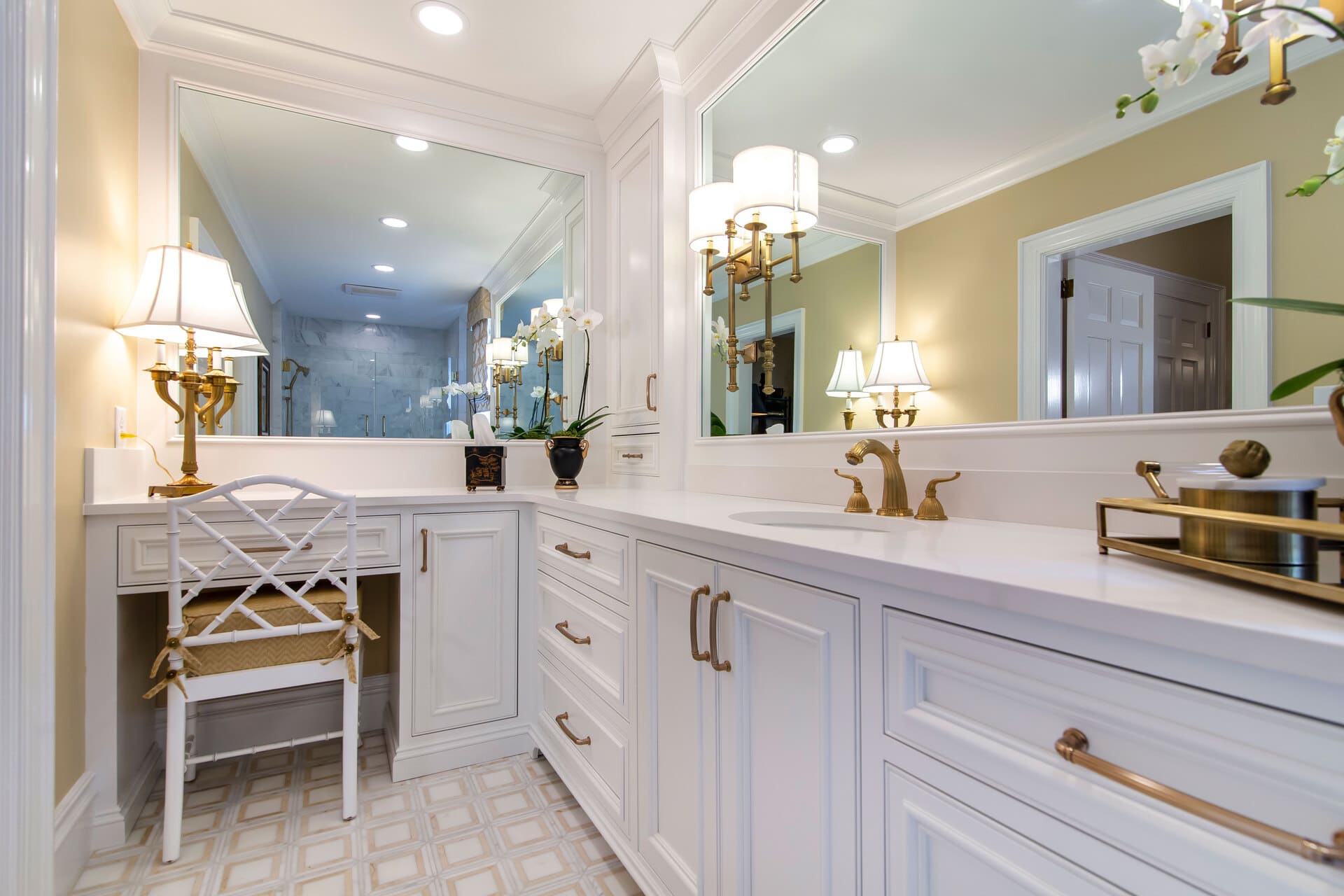
The first step after you decide to move forward with your bathroom renovation is to create a plan. Evaluate your current space and write down any problem areas or things you would like to add, such as a dressing table. Take time to browse places like Pinterest for inspiration on details like hardware, colors, and tile. This will help streamline the process and inform your designer of the next steps. Budget is the next key element in any renovation, which helps guide the entire project, including materials and design selections. This is also the time to decide which items are at the top of your renovation list. Do you want a more oversized vanity with more storage options, or are you looking to replace the shower and tub combo with their units? Understanding the answers to these concerns will help you start your bathroom makeover on the right foot.
How to design a bathroom layout
Whether you are renovating your master or guest bathroom, layout is a fundamental part of the design process. Assessing your needs and how many people will use this bathroom is an excellent place to start. Functionality and the amount of space available are also important aspects to consider for the project. Ask yourself if this is your main bathroom. Will two people need to use it at the same time, such as you and your spouse, or will siblings be sharing it in the morning? What products will need to be kept here? Answering these questions provides you with a starting point. If designing for children who need to use the shower and toilet simultaneously, consider placing them in their own space with a door. This allows one person to shower privately while the sink is used by someone else. Planning for storage is a dominant component of effective bathroom design as well. A skilled designer can help you determine which layout will best utilize your space and meet your specific needs.
Bathroom design considerations
Several key design components must be considered when starting a bathroom renovation. One is knowing if this will be your forever home. Aging in place is a common term in the design world that refers to selecting materials that enable you to live in your home safely and independently. Ideally, the master suite will be located downstairs, eliminating the need to go up and down stairs. Flooring is another crucial area that helps prevent falls due to slippery surfaces caused by water and condensation. Choose flooring that is non-slip or has textured tile options. Tile is also a good choice because it can withstand the hot, steamy environment, repel water, and be cleaned more easily than other materials. Additional space for easier movement makes it easier to use a walker or wheelchair later, if needed. In addition to aging in place, certain aspects, such as door placement, should be given sufficient thought, particularly for a hall or guest bathroom that guests can see. If possible, try to have the door open to an attractive feature, such as the vanity, instead of the toilet. You’ll ultimately save time and money if you know which design components are most important to you and create the ideal layout.
Which bathroom design style for you
Style matters, particularly in essential spaces like the bathroom, so selecting the one that is right for you is important. In the last few decades, the list of choices has expanded dramatically and includes:
- Minimalist: a popular design style for several years, minimalist focuses on natural light and clean lines. Functionality is another key area, considering how a piece will be used and its storage options. Neutral colors and simple or no hardware are the go-to looks.
- Coastal: Blues and greens are a natural fit for creating a calm or relaxed vibe in your bathroom, which blends perfectly with a coastal style. Mirrors tend to be circular, and whitewashed beadboard is frequently utilized on the walls or just as an accent, given that it is inspired by the beauty of the ocean. Turquoise, sandy beige, and sea green are all great color options for this style.
- Traditional: Considered a classic, this approach features a formal yet comfortable design. Whites paired with brass fixtures or hardware can make a stunning statement, and it’s also a good choice if you are flipping or looking to sell the home.
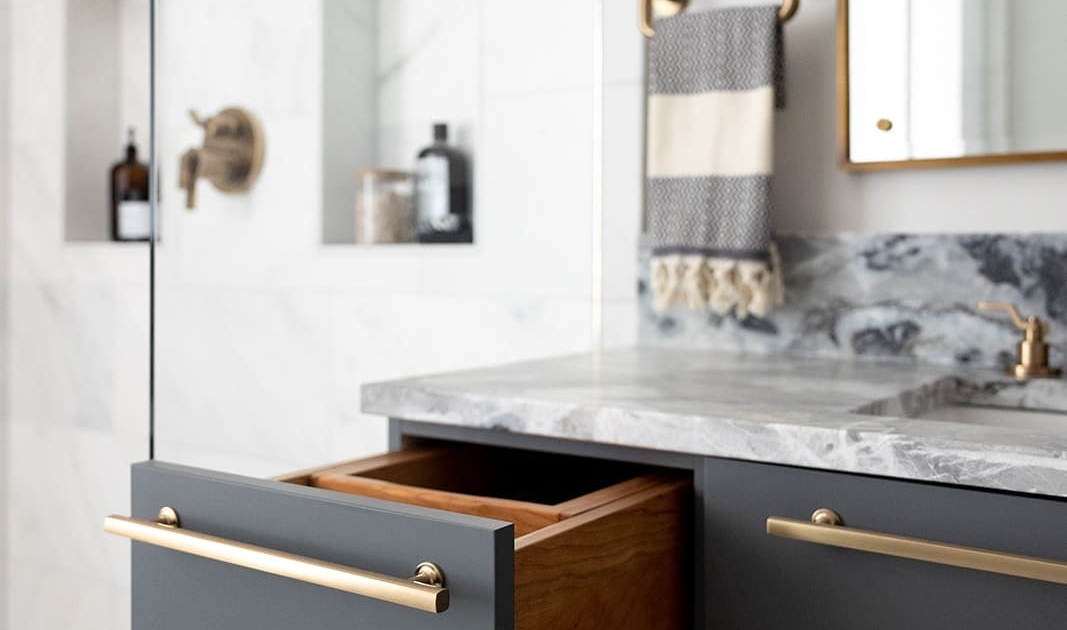
- Modern Farmhouse: A blend of old-world charm and a touch of modernity makes the modern farmhouse style a beautiful option. Wood elements, aged brass finishes, and vintage lighting are the perfect elements that bring out the best in this design.
- Transitional: A blend of traditional and contemporary, transitional styles combine the best of both for a classic yet more relaxed look. Pattern and texture are more prominent in this design style, so don’t be afraid to try out a bolder floor tile, some wallpaper, or add a few pops of color to the bathroom.
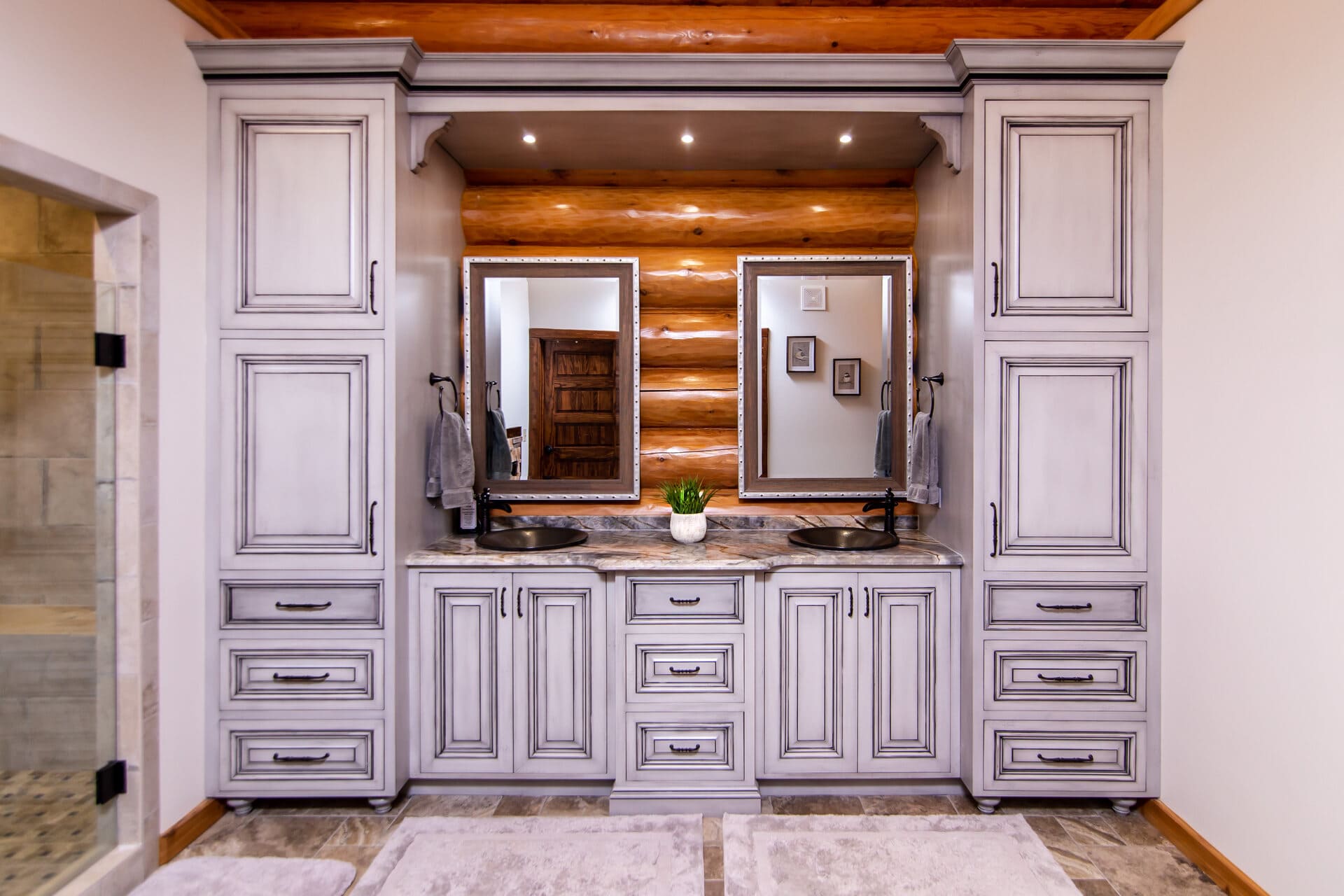
- Rustic: Although often seen in a mountain cabin, the rustic style can offer warmth and character wherever you live. Textured tile in the shower or a vanity built from reclaimed wood are beautiful ways to bring a rustic vibe to your bathroom. Copper accents, whether in the form of a soaker tub or sink, are a great representation of this style as well.
- Contemporary: A neutral color palette paired with geometric shapes is a great way to start your contemporary bathroom design. Adding a few pops of color can create depth and visual interest, as can a few touches of metal or a floating vanity.
Your bathroom should be a reflection of your unique tastes and create a pleasing aesthetic, which is why it is essential to select the right style for you. Your designer can be a great help in narrowing down which one is best.
Are bathroom remodels worth it?
Choosing to renovate your bathroom is a great decision that will yield lovely visual results and add value to your home. Discuss with your designer the importance of taking this step.


Walker Woodworking

Walker Woodworking

Walker Woodworking